How to Budget for a Custom Home: Hidden Site Costs You Need to Know
How to Budget for a Custom Home: Hidden Site Costs You Need to Know
When you start dreaming about building a custom home, your mind probably jumps straight to the fun details such as a gourmet kitchen with a sprawling quartz island, a luxurious primary suite with coastal views, or a perfectly designed outdoor living space.
When it comes to budgeting, most people focus heavily on the vertical costs such as the actual price of framing, roofing, flooring, and finishes. However, there is an entirely separate category of expenses that happens before a single piece of lumber ever arrives at your lot.
These are site costs, and if you aren’t prepared for them, they can quickly eat into your design budget.
Whether you’re looking at a teardown lot near the Virginia Beach oceanfront or a wooded acreage in Chesapeake, here are the most common "hidden" site costs you need to know when planning your custom home budget.
Geotechnical Engineering & Soil Testing
You can’t build a beautiful home without a solid foundation, and you can't design a foundation without knowing what’s underneath the dirt. In the Hampton Roads area, soil composition can vary wildly, shifting from heavy clay to loose sand over the span of just a few miles.
Before the foundation is poured, a geotechnical engineer must drill core samples to test the soil’s load-bearing capacity.
The Cost Trap: If the soil is poor or contains a high water table, a standard concrete footer won't cut it. Your builder may need to bring in engineered structural fill dirt, or install helical piers (deep steel pins driven into the ground) to stabilize the foundation. This can add several thousand dollars to your upfront costs before you even clear the land.
Clearing, Grading, and Dirt Management
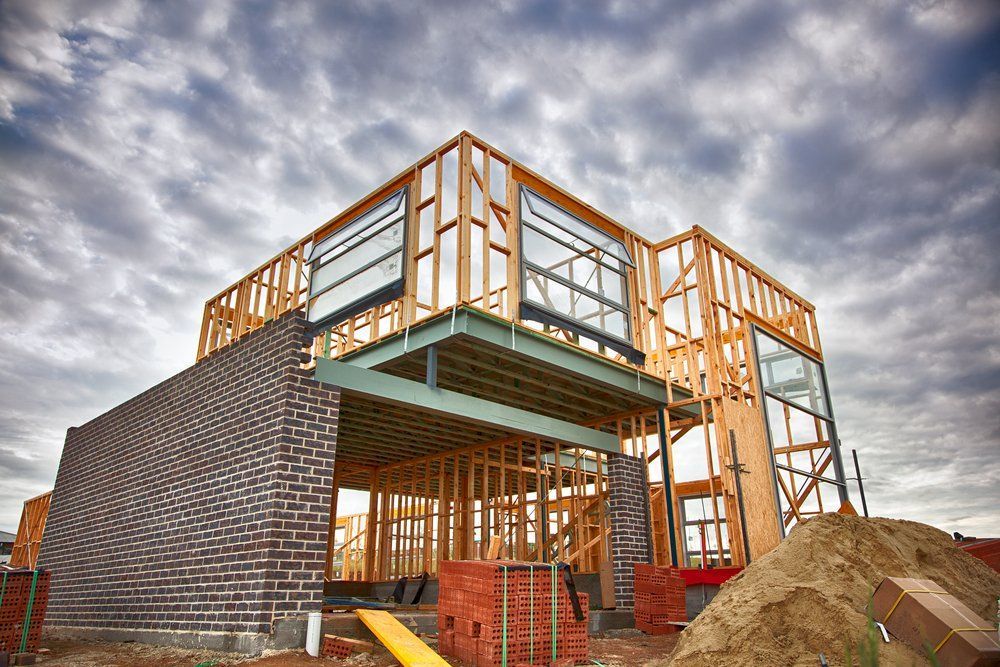
Rarely is a piece of land perfectly flat, clear, and ready for a foundation.
- Clearing: If your lot is heavily wooded heavy machinery and labor can be required to remove trees, underbrush, and stubborn root systems.
- Grading & Drainage: The land must be sloped precisely so that rainwater flows away from your home’s foundation and off the property correctly.
- Importing/Exporting Dirt: If your lot is low, you will need to pay to haul in dozens of truckloads of dirt to raise the house pad. Conversely, if you are digging out a crawlspace or basement, you may have to pay to have excess dirt hauled away.
Utility Hookups and "The Distance Factor"
If you are building in an established neighborhood where a previous home stood, your utility connections (water, sewer, power, gas) might be right at the property line. But if you are building on a raw or rural lot, getting power and water to your actual homesite can be incredibly expensive.
- The Distance Factor: Utility companies typically charge by the foot to run lines from the main road to your house. If your dream home is set 300 feet back from the road for privacy, running power lines, water lines, or a trench for fiber-optic internet can cost a pretty penny.
- Well & Septic: If city water and sewer aren't available, you’ll need to factor in the cost of drilling a well and installing a septic system. Septic systems require a perc test to see how well the ground drains. If the soil fails a standard perc test, you might be required to install an alternative engineered septic system, which can double the standard cost.
Municipal Tap Fees and Impact Fees
Just because the city water line runs past your property doesn't mean you can hook up to it for free. Most municipalities charge tap fees or impact fees to connect a new home to the public water and sewer infrastructure. These are administrative and labor fees charged by the city or county just for the right to access the grid, and they must be paid upfront when pulling permits.
Coastal Flood Zones and Elevation Requirements
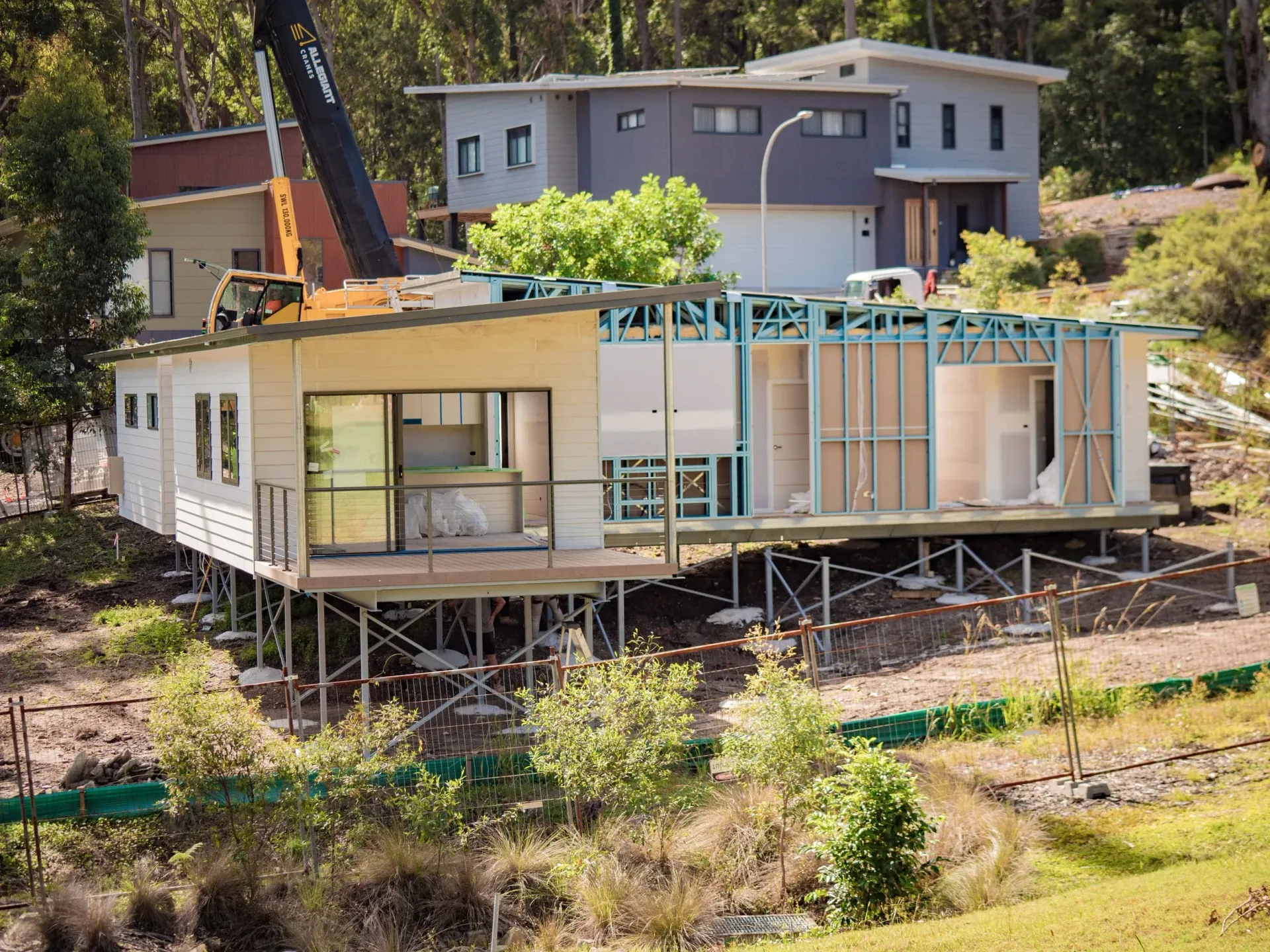
Building near the water comes with incredible lifestyle perks, but it also comes with strict structural mandates. If your lot falls within a designated FEMA flood zone, local building codes will require your home’s finished first floor to be elevated to a specific height (known as the Base Flood Elevation, or BFE).
The Cost Trap: Elevating a home means building a taller foundation, utilizing specialized flood vents, or constructing the home on engineered pilings. Additionally, building in a high-wind or coastal zone means upgrading to impact-rated windows, storm shutters, and advanced hurricane strapping throughout the framing, all of which affect your site-specific structural budget.
Demolition and Environmental Remediation (For Teardowns)
If you’ve purchased an older home in a prime location with the intention of tearing it down to build new, the demolition process has its own line items.
- Abatement: Older homes (typically built before 1978) often contain asbestos or lead paint. Before heavy machinery can tear the structure down, these hazardous materials must be safely mitigated by a certified team.
- Utility Capping: You must pay to safely disconnect and cap the existing water, gas, and power lines before demolition can safely begin.
How to Protect Your Budget
The easiest way to avoid being blindsided by these hidden costs is simple: Involve your builder before you buy the land.
Bringing a custom builder out to walk a potential lot during your feasibility period can save you tens of thousands of dollars. An experienced builder knows what to look for, from overhead power lines and drainage issues to signs of poor soil, and can help you build a realistic site budget before you close on the property.
By accounting for the dirt work and infrastructure upfront, you ensure that your design budget stays exactly where it belongs, on the beautiful custom details of your future home.
Ready to start planning your dream build in Hampton Roads? Contact us today for a lot consultation, and let’s make sure your project gets started on the right foot.