Building Near the Water: Demystifying CBPA & RPA Guidelines in Hampton Roads
Building Near the Water: Demystifying CBPA & RPA Guidelines in Hampton Roads
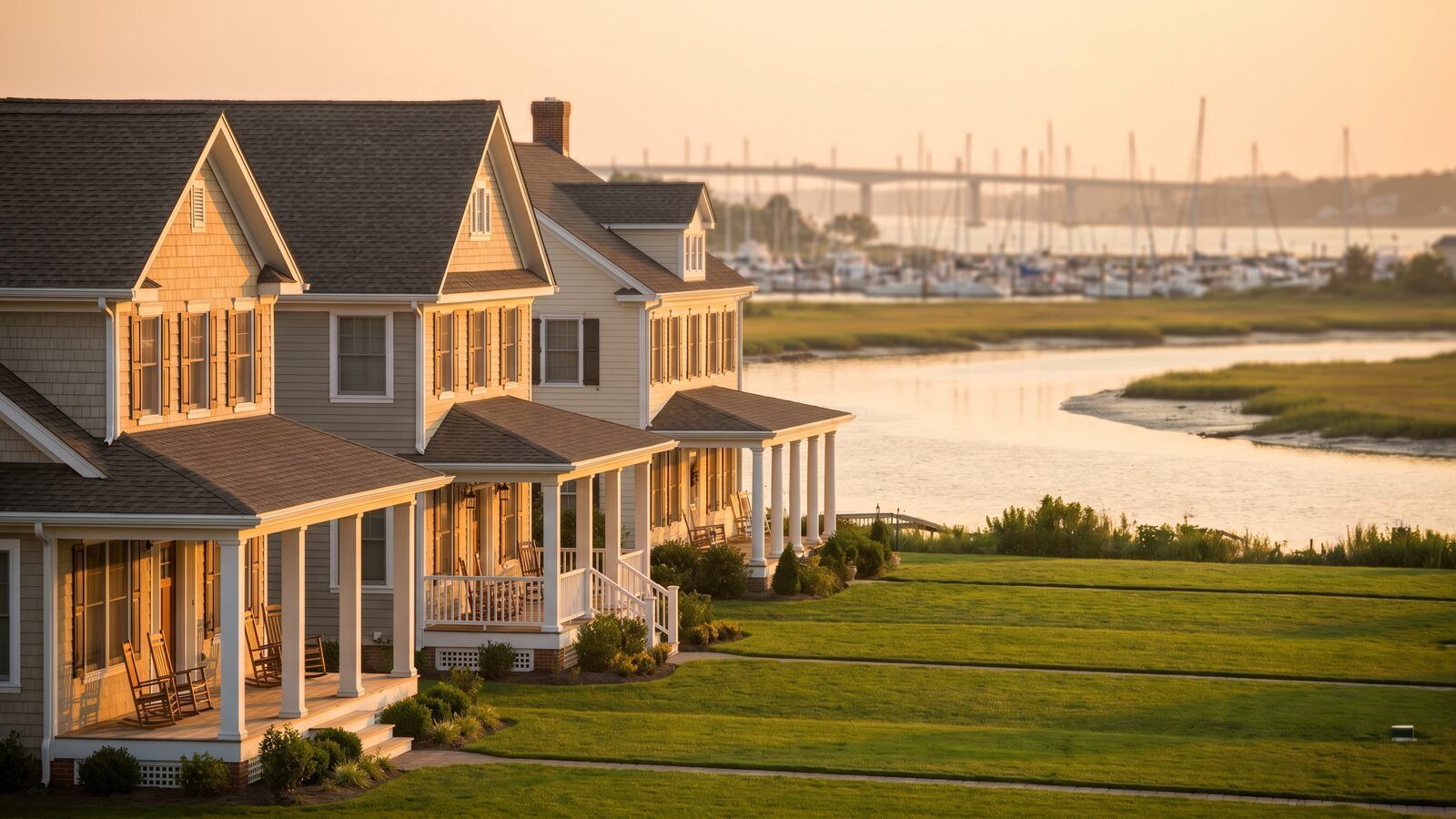
There is nothing quite like living near the water in Hampton Roads. Whether you are eyeing a lot along the Lynnhaven River in Virginia Beach, planning a build overlooking the bay in Cape Charles, or building near the tidal inlets of Norfolk, coastal waterfront views are the ultimate backdrop for a custom home.
However, building near Virginia’s waterways comes with a unique set of regulatory considerations. If you’ve started researching waterfront property across our region, you’ve likely come across terms like CBPA (Chesapeake Bay Preservation Act) and RPA (Resource Protection Area).
While these environmental guidelines can feel overwhelming at first glance, they aren’t meant to stop you from building your dream home. These guidelines exist to protect the natural beauty and waterways that make coastal Virginia so desirable.
At
K.M. Cash Construction, we navigate local environmental zoning every day. Here is what every future custom home buyer needs to know about understanding CBPA regulations and building responsibly near the water.
1. What is the Chesapeake Bay Preservation Act (CBPA)?
Enacted by the Virginia General Assembly in 1988, the Chesapeake Bay Preservation Act was created to improve water quality in the Chesapeake Bay and its tributaries by managing land use along sensitive shorelines.
Across local municipalities, such as Virginia Beach, Chesapeake, Norfolk, and Northampton County, local governments enforce these state guidelines through designated Chesapeake Bay Preservation Areas. These areas are divided into two main categories:
- Resource Protection Areas (RPAs): Environmentally sensitive land near tidal wetlands, shorelines, and perennial streams.
- Resource Management Areas (RMAs): Upstream land areas (often encompassing entire coastal watersheds) where development still requires thoughtful stormwater management to protect water quality.
2. Understanding the 100-Foot RPA Buffer Zone
If your lot backs up to a tidal creek, river, or marsh, a portion of your land likely falls within a Resource Protection Area (RPA).
By default, the RPA includes a 100-foot naturally vegetated buffer zone measured inland from the edge of tidal wetlands or water bodies. The purpose of this buffer is simple: native plant roots filter runoff, stabilize shoreline soil against erosion, and prevent sediment from washing into local waters.
Can you build inside an RPA buffer?
While general rules restrict traditional construction inside the 100-foot buffer, exceptions and modifications are routinely granted for single-family homes, provided your design meets local site criteria and includes environmental mitigation.
3. How Custom Builders Navigate CBPA & RPA Site Plansa
Building on a CBPA-regulated lot doesn't mean compromising on design, it means building with strategy. Here is how an experienced custom contractor works through the process:
- Site Delineation & Environmental Surveys: Before architectural drafting begins, an environmental consultant flags the exact top-of-bank or wetland boundary to establish your official RPA line.
- Optimizing the Build Envelope: By positioning the home's footprint smartly outside or along the outer edge of the buffer, you minimize regulatory friction while still capturing prime water views.
- Buffer Mitigation Plans: If your home's footprint, driveway, or deck encroaches into a portion of the RPA, local municipalities typically require a 1:1 or 2:1 mitigation plan. This involves planting native trees, shrubs, and perennial groundcovers to offset any land disturbance.
- Impervious Surface Coverage: CBPA guidelines monitor how much non-porous surface (roofs, concrete patios, paved driveways) covers a lot. Incorporating permeable pavers, elevated timber decks, or gravel driveways helps meet site requirements without sacrificing outdoor living space.
4. Smart Architectural Solutions for Waterfront Lots
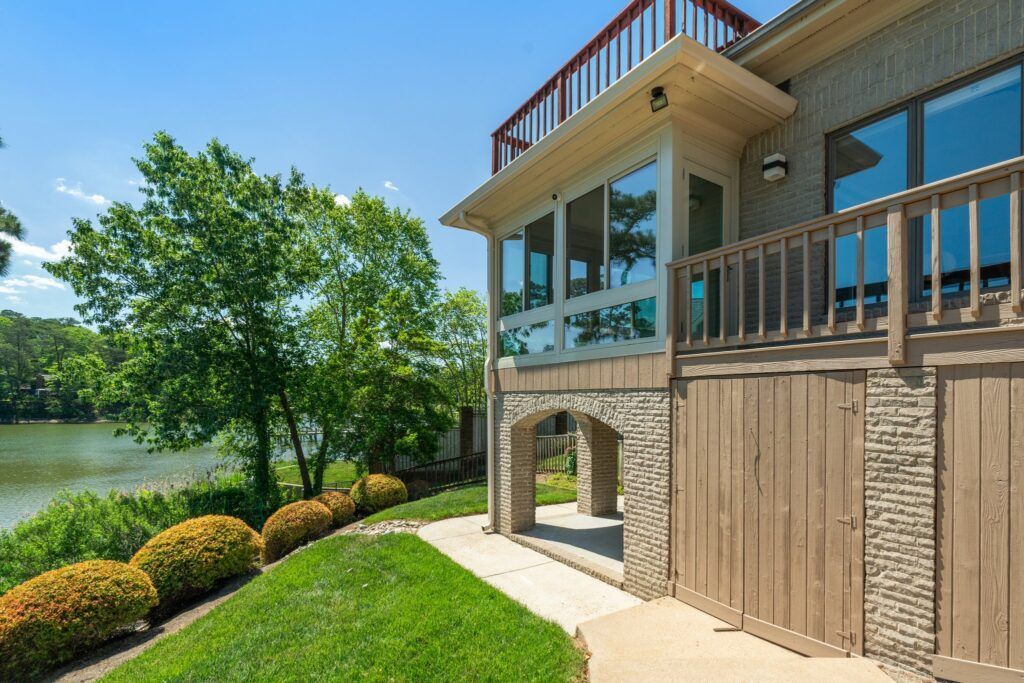
Custom construction allows us to tailor the structure specifically to the site's environmental conditions. When building within CBPA zones, thoughtful architectural features can elevate both compliance and lifestyle:
- Elevated Pilings & Poured Foundations: Raising the main living levels satisfies both flood elevation requirements and minimizes ground disturbance.
- Integrated Stormwater Systems: Cisterns, rain gardens, and dry wells can be blended into high-end landscape architecture to manage rainwater runoff seamlessly.
- Cantilevered Decks & Coastal Glass: Extending
outdoor living areas vertically via second-story covered porches gives you panoramic water views while preserving the ground-level buffer underneath.
Partnering with a Local Coastal Builder
Navigating local board reviews, CBPA variances, and environmental permitting in Virginia Beach and the surrounding Hampton Roads communities requires deep familiarity with local building departments.
At K.M. Cash Construction, we guide our clients through every step of the process, from site evaluation before you buy land to final framing and custom finishes. If you own or are looking at a waterfront lot in the Hampton Roads area, let’s talk about how we can turn your coastal vision into a lasting home.
Contact K.M. Cash Construction today to schedule a consultation with our team.